It’s called cardiovascular disease-Leg amputation
PAD is Cardiovascular Disease
Cardiovascular Disease Is More Than Heart Attacks: Why Prevention Matters
When most people hear the words cardiovascular disease, they think of heart attacks or strokes. But cardiovascular disease is much broader than that. It includes problems affecting the heart, brain, kidneys, and blood vessels throughout the body—including the arteries that supply blood to the legs and feet.
At the root of nearly all cardiovascular diseases are cardiometabolic and kidney-related risk factors, many of which are influenced by diet, physical activity, and access to healthcare. These risk factors quietly damage blood vessels over time, often without symptoms—until a serious complication occurs.
A Severe and Often Preventable Outcome: Limb Amputation
One of the most serious consequences of advanced cardiovascular disease is non-traumatic limb amputation.
Each year in the United States, approximately 150,000 people undergo an amputation that is not caused by an accident.
The most important fact?
Many of these amputations are theoretically preventable with earlier diagnosis and treatment.
About 50% of people who lose a limb have diabetes
About 50% have atherosclerosis, also known as peripheral artery disease (PAD)—a narrowing of the arteries caused by cholesterol buildup
Many patients have both
PAD reduces blood flow to the legs and feet. When combined with diabetes, nerve damage, or infection, small wounds can fail to heal and progress to limb-threatening disease.
The Common Risk Factors
Whether the disease affects the heart, brain, kidneys, or limbs, the same risk factors are usually involved:
Smoking
Diabetes
High cholesterol
High blood pressure
Chronic kidney disease or kidney failure
Low physical activity and poor nutrition
These conditions are interconnected. For example, diabetes and kidney disease accelerate damage to blood vessels, while smoking and high cholesterol worsen artery narrowing.
Health Equity Matters
Peripheral artery disease does not affect all communities equally.
Patients from low-income and underserved communities are:
More likely to develop PAD
More likely to be diagnosed at later stages
More likely to experience limb amputation
This is not due to biology alone—it reflects differences in access to preventive care, early screening, nutrition, safe places to exercise, and specialty vascular care.
Seeing the Burden Where We Live
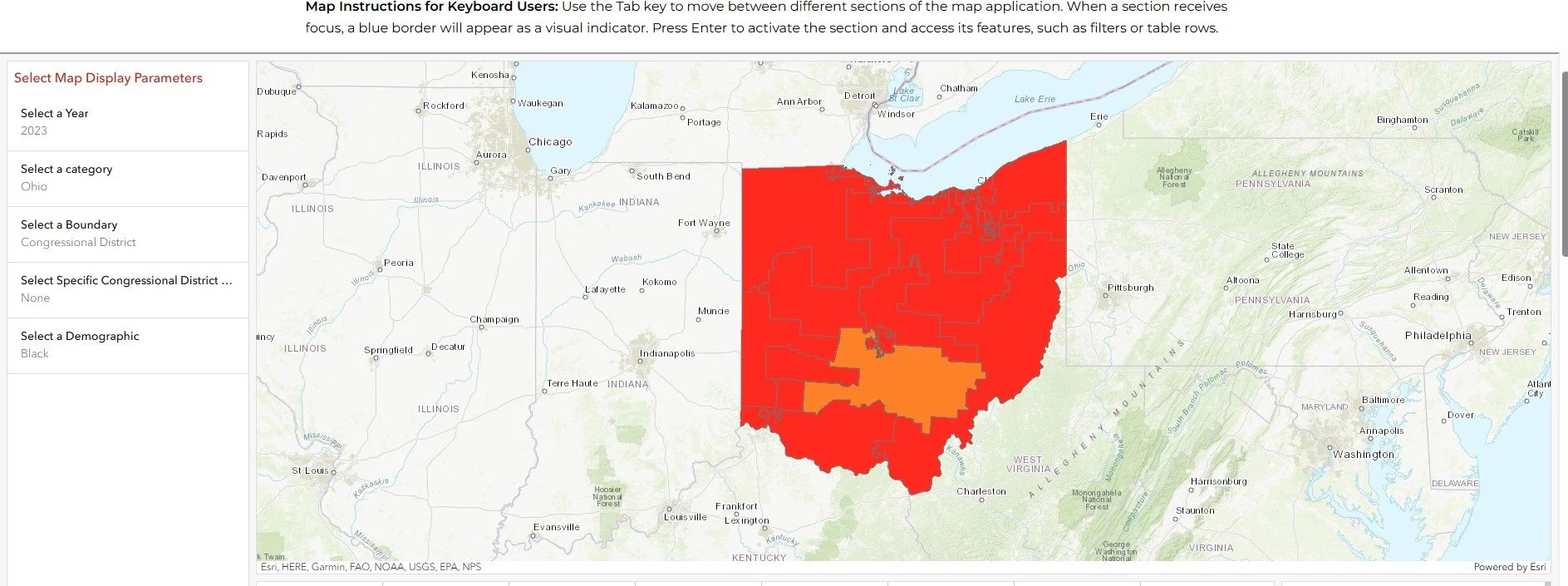
To better understand how PAD affects communities across the country, the American Heart Association has developed a Congressional PAD Map.
This interactive map shows:
The burden of PAD across the United States
State- and region-level data
The impact in Ohio and other high-risk areas
Patients, families, clinicians, and policymakers can all use this map to understand where help is most needed.
👉 View the American Heart Association Congressional PAD Map
The Takeaway
Cardiovascular disease is not just about the heart.
It is a system-wide disease driven by shared risk factors—and its most devastating outcomes, including limb loss, are often preventable.
Early screening, lifestyle changes, smoking cessation, diabetes and cholesterol control, and timely vascular care save lives and limbs.
If you or a loved one has diabetes, kidney disease, a history of smoking, or leg pain with walking, ask about PAD screening. Awareness is the first step toward prevention.
— Dr. Lee Kirksey

Lee Kirksey MD, MBA. Vascular Surgeon. Cleveland Clinic